 Stock
Stock- Response
- Open 24 hours
- Where
- At your facility
- Covers
- Breakdown and planned
- Backed by
- A full job shop
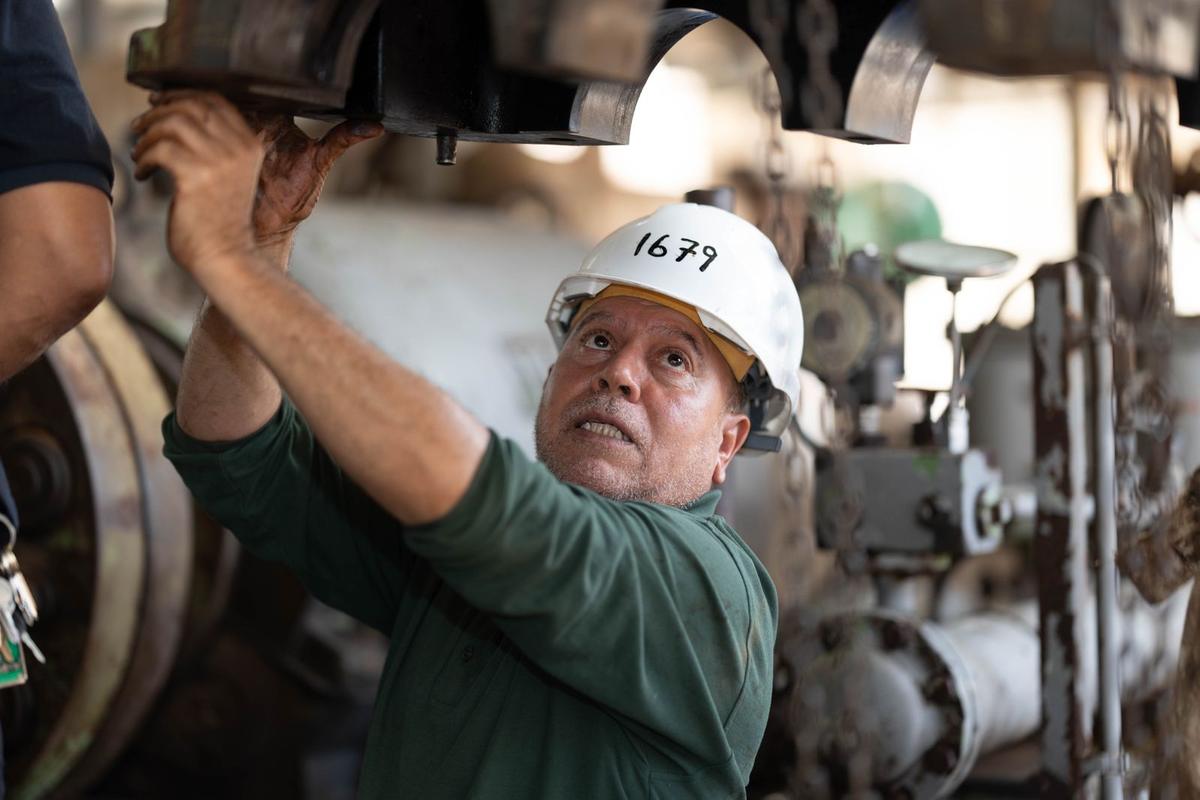
Industrial maintenance is the work that keeps a plant running: the breakdown at two in the morning, and the planned job that stops the breakdown happening at all.
Most maintenance calls arrive in one of two shapes. Something has stopped and every hour it stays stopped costs money, or a window is coming up and there is a list of things that have to be done inside it. We are set up for both, and the reason we can take both is that the shop runs 24 hours and has the trades under one roof.
The difference between a maintenance contractor and a job shop doing maintenance is what happens when the part you need does not exist anymore. A bracket that is obsolete, a shaft that has worn, a guard that was modified by somebody twenty years ago and never drawn. We can measure it, model it, machine it, weld it and fit it without leaving the building or handing the job to a second vendor.
Downtime is the number that matters here, not the hourly rate. A cheaper crew that has to stop and wait for a fabricated part is not cheaper. Being able to make the part in the same building as the repair is the whole argument for using a job shop for maintenance work.
There is a practical reason maintenance is the work this shop does most of. A plant with a problem usually needs three things in quick succession: somebody to look at it, somebody to decide whether it is repairable, and somebody to make the piece that fixes it. Splitting those across three vendors is how a two day job becomes a two week job, and it is the single most common reason a line stays down longer than it needed to.
The most useful thing you can do at the start is tell us what the equipment was doing when it failed. Noise, heat, vibration, a smell, or simply stopping. That narrows the diagnosis faster than a model number, and combined with a photograph it usually tells us whether to bring a welder, a machinist or both.
We work on commercial, industrial and fleet equipment, and the size of the repair is not the deciding factor. A dump bed on a fleet truck is work we want. What we are not is a home improvement contractor.
How a maintenance job runs
The same sequence every time, so you know what you are buying.
Someone looks at the actual failure rather than diagnosing it down a phone line, and we tell you honestly whether it is a repair, a rebuild or a replacement.
Structural repair, worn surfaces built back up, threads recovered, shafts and housings brought back to size.
Measured off the failed component or modeled from scratch, then made here, so an obsolete part stops being a dead end.
The list that has to happen inside a fixed window, scheduled around the window rather than around our week.
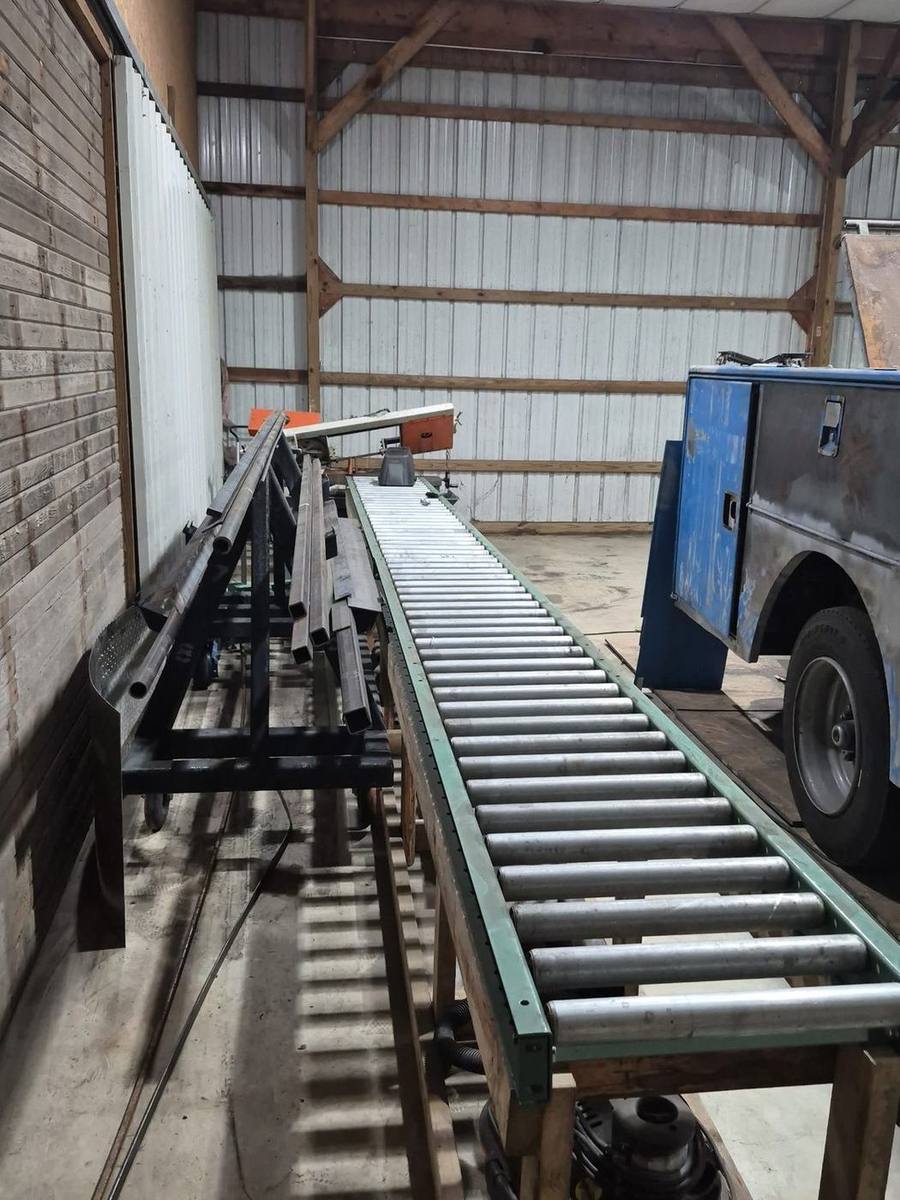
The part that stops a line is usually the part nobody can buy.
A maintenance crew that can also fabricate, machine and model is the difference between a line running by morning and a line waiting on a lead time.
What to send when something has stopped
Everything you leave out becomes an assumption, and assumptions are what make an invoice differ from a quote. None of this has to be formal.
Noise, heat, vibration, or nothing at all. The symptom narrows it faster than the part number.
Or whether the line either side has to keep running while we work.
A sentence is enough to start. Precision comes later.
At your facility, or can it come to the shop.
Including any shutdown or outage window, and whether the date is fixed.
For anything that already exists, a photo does more than several paragraphs.
| Factor | Shorter downtime | Longer downtime |
|---|---|---|
| When we are called | At the first symptom, or before a planned window | After a second failure, with the line already down |
| The failed part | Standard, still available, or simple to copy | Obsolete, undrawn, and modified at some point by somebody else |
| Access | Line can be isolated, area is reachable | Live plant either side, overhead, permit required |
| Information sent | Photograph, model number, what it was doing when it failed | A phone description only |
| Scope | One failure, understood | A list that grows once the guard comes off |
Questions about industrial maintenance
Do you come out for a breakdown at night or on a weekend?
Yes. The shop is open 24 hours, seven days. Industrial equipment does not fail politely inside business hours, and most plant work only has a window at night or over a weekend.
Do you only take contract maintenance, or one-off calls too?
Both. A single call-out is normal work here, and so is a list of jobs booked into a shutdown window.
What if the replacement part is obsolete?
That is one of the reasons to call a job shop rather than a maintenance-only crew. We can measure the failed part, model it, and make it. An obsolete part number is not the end of the conversation.
Do you take farm or agricultural work?
No. Farm and agricultural work is not something we take on anymore. Fleet trucks, trailers and plant equipment, yes, and the size of the job is not the deciding factor. What we are also not is a home improvement contractor.
The trades that back up maintenance
Send us a maintenance job
Tell us what stopped, what it does when it fails, and whether the line can be shut down. A photograph of the failed area answers more than a paragraph.
Commercial, industrial and fleet work, plus awnings, handrails, gates and fences for anyone. We do not take farm work or home improvement jobs.